Iran’s recent wave of diplomatic activity across Asia, Europe, and the Global South has sent ripples through international corridors. At the same time, Donald Trump—returning to the political spotlight—has reiterated a familiar refrain: the U.S. holds all the cards. This collision of strategies—Tehran’s outreach versus Washington’s assertion of dominance—reveals a deeper struggle over influence, leverage, and the future of regional stability.
The timing is critical. With Iran navigating economic strain, domestic unrest, and isolation from Western institutions, its diplomatic pivot is both tactical and existential. Meanwhile, Trump’s insistence on American supremacy isn’t just rhetoric—it’s a signal to allies, adversaries, and voters about how he intends to handle Iran should he return to power.
A Strategic Diplomatic Onslaught
Iran hasn’t launched a full-scale charm offensive by accident. Its recent engagements—including high-level visits to China, Iraq, Oman, and Malaysia—reflect a calculated effort to diversify alliances and break through U.S.-led containment.
In one notable move, Iranian Foreign Minister Hossein Amir-Abdollahian met with counterparts in Beijing, reinforcing a 25-year strategic partnership that includes energy, infrastructure, and military cooperation. This isn’t symbolic—it’s a direct counter to U.S. sanctions. China now imports over 70% of Iran’s crude oil, often through shadow fleets and third-party intermediaries, effectively neutralizing parts of Washington’s economic pressure campaign.
Meanwhile, backchannel talks with Saudi Arabia—once unthinkable—have stabilized following Chinese-brokered détente. Iran is also re-engaging with Central Asian states and positioning itself as a mediator in conflicts like Sudan and Afghanistan, despite limited credibility.
Real-world example: In mid-2023, Iran facilitated the release of foreign nationals held in Yemen by Houthi forces. While modest, the move burnished Tehran’s image as a regional actor capable of delivering outcomes—something traditional powers like the U.S. have struggled to do.
But this diplomacy isn’t just about image. It’s about survival. By building economic lifelines and political buffers, Iran aims to reduce its vulnerability to U.S. sanctions and military threats.
Trump’s “We Have the Cards” Doctrine
Donald Trump’s approach to Iran has always been transactional and confrontational. His “maximum pressure” campaign—imposing over 1,500 sanctions—was designed to force Tehran into renegotiating the nuclear deal on U.S. terms. Even after the JCPOA unraveled, Trump maintains that his strategy worked.
“We had them on the ropes,” he said in a recent speech. “They were ready to make a deal. We have the cards.”
That line—we have the cards—is more than bravado. It reflects a strategic belief: that unilateral U.S. actions, especially financial and military leverage, can compel weaker states to capitulate. The assumption is that Iran’s economy, battered by inflation and youth unemployment, cannot withstand indefinite isolation.
But there’s a flaw in that logic—one that’s become clearer over time.
Sanctions don’t always produce surrender. In Iran’s case, they’ve spurred adaptation. The regime has developed alternative banking channels, deepened ties with non-Western powers, and cultivated a self-reliance narrative domestically. The Revolutionary Guard now controls vast sectors of the economy, turning crisis into opportunity.
Limitation in Trump’s stance: He underestimates Iran’s capacity for endurance. Authoritarian regimes, especially those rooted in ideological resistance, often survive—and even consolidate power—under external pressure. Look at North Korea: decades of sanctions haven’t toppled the regime, only hardened it.
Trump’s rhetoric also risks alienating allies. European nations, while critical of Iran’s nuclear ambitions and regional conduct, have pushed back against blanket sanctions that destabilize energy markets and fuel refugee flows.
The Nuclear Shadow Over Diplomacy
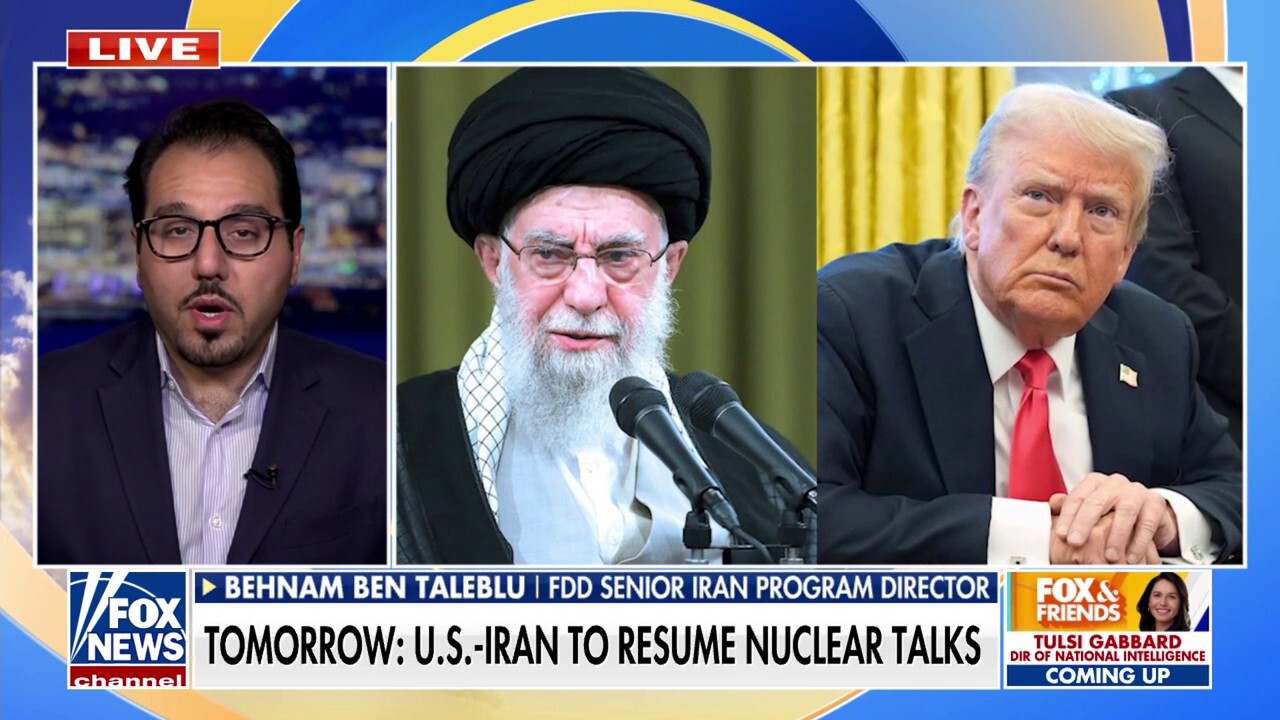
At the heart of this standoff is Iran’s nuclear program. Despite ongoing talks in Vienna and intermittent IAEA inspections, Iran has enriched uranium to 60%—a short step from weapons-grade. While it denies seeking a bomb, its actions erode trust.
Iran’s diplomatic flurry coincides with advances in its nuclear infrastructure. Centrifuge cascades in Natanz and Fordow are more advanced than ever. Satellite imagery shows construction at undeclared sites, raising alarms.
Yet Tehran insists its program is peaceful. Its message to the world: we’re open to talks, but not under duress.
This is where Trump’s “cards” argument falters. Yes, the U.S. can sanction and threaten. But it can’t unilaterally dismantle Iran’s nuclear capabilities without military action—a path even Trump avoided in 2020 after the Soleimani strike brought both nations to the brink.
Practical reality: Diplomacy works best when both sides have something to gain. Trump’s model offers Iran only pain unless it surrenders key capabilities. That’s a non-starter in Tehran. Meanwhile, Iran’s current outreach seeks to normalize its nuclear status as fait accompli, reducing pressure to roll back progress.
Regional Alliances in Flux
Iran’s diplomatic momentum isn’t just about survival—it’s about reshaping the regional order. Through proxies and partnerships, it wields influence in Lebanon (Hezbollah), Syria (Assad regime), Iraq (Shia militias), and Yemen (Houthis).
Recent diplomatic efforts aim to legitimize this network. Consider the shift in Iraq: once a U.S. ally, it now hosts Iranian-backed militias that regularly target American troops. Yet Iran positions itself as a “stability provider,” urging restraint while quietly funding armed groups.
Common mistake in analysis: Viewing Iran’s diplomacy as purely defensive. In reality, it’s also offensive—aimed at displacing U.S. influence. Every handshake with a regional leader, every trade agreement with a Global South nation, chips away at American primacy.
Trump’s insistence that “we have the cards” ignores how power is no longer solely determined by military might or financial sanctions. Soft power, strategic patience, and asymmetric leverage matter—areas where Iran has improved significantly.
China and Russia, both strategic partners of Iran, enable this shift. They provide diplomatic cover at the UN, trade routes outside the SWIFT system, and military technology. For Iran, this triangle reduces dependence on any single patron.
The Role of Domestic Politics
Neither Iran’s outreach nor Trump’s rhetoric exists in a vacuum. Internal pressures shape both strategies.
In Iran, Supreme Leader Khamenei and the hardline establishment tolerate diplomacy only as long as it doesn’t undermine their control. Reforms are limited. Dissent is crushed. The 2022–2023 protests revealed deep public anger—not just at economic hardship, but at the regime’s isolation.
Yet the government frames diplomacy as resistance diplomacy: engaging the world not to liberalize, but to resist American dominance. It’s a narrative that resonates with nationalist factions, even as ordinary Iranians suffer.
In the U.S., Trump’s stance plays well with his base. His 2024 campaign leans heavily on themes of strength, sovereignty, and anti-Iran sentiment. Promising to “end the Iran nuclear threat” is a rallying cry, even if the path is unclear.
But his approach lacks nuance. He rarely discusses verifiable arms control, regional de-escalation, or confidence-building measures. His vision is binary: surrender or suffer.

Workflow tip for policymakers: Effective diplomacy requires understanding the other side’s red lines. For Iran, those include regime survival and nuclear sovereignty. For the U.S., they include preventing nuclear proliferation and protecting allies. Bridging that gap demands more than bravado—it requires sustained, quiet negotiation.
Can Diplomacy and Deterrence Coexist?
The current dynamic—Tehran engaging, Washington threatening—is unstable. It risks miscalculation.
History offers lessons. The 2015 JCPOA, though flawed, froze Iran’s nuclear program for years and enabled inspections. It collapsed not because diplomacy failed, but because political will evaporated—first with Trump’s withdrawal, then with Iran’s incremental breaches.
A sustainable solution must combine elements of both approaches:
- Diplomacy to build trust, verify compliance, and integrate Iran into regional security frameworks.
- Deterrence to prevent nuclear breakout and curb destabilizing activities.
But that balance is elusive.
Europe’s attempts at “constructive engagement” have yielded little. The U.S. insistence on preconditions—like full nuclear rollback before talks—blocks progress. Iran, meanwhile, demands sanctions relief upfront.
Realistic use case: A phased, reciprocal agreement. Example: Iran limits enrichment to 3.67% in exchange for lifting sanctions on civilian aviation and medicine. Next phase: full IAEA access for relief on oil exports. Final phase: regional dialogue on missile and proxy activities.
This isn’t ideal, but it’s workable. Trump’s “we have the cards” model rejects such incrementalism. It assumes total victory is possible. That assumption is dangerous.
The Path Forward: Leverage, Not Ultimatums
Iran’s flurry of diplomacy isn’t a sign of weakness. It’s a sign of adaptation. The U.S. still holds significant leverage—financial, military, technological. But leverage only works if it’s used strategically, not as a bludgeon.
The next U.S. administration, whether Trump or another, must decide: Is the goal to destroy the Iranian regime, contain its influence, or manage the relationship?
Destroying the regime is unrealistic. Containment has limits. That leaves management—through calibrated pressure, selective engagement, and multilateral coordination.
Iran will keep reaching out—to China, to the Global South, even to indirect U.S. partners. The question is whether the U.S. will respond with rigidity or realism.
Trump’s insistence that “we have the cards” may sound strong, but it ignores a simple truth: in diplomacy, the best players don’t just hold the cards—they know when to play them.
Actionable insight: U.S. strategy should shift from regime change rhetoric to risk reduction. That means reviving backchannels, supporting IAEA monitoring, and coordinating with allies on a unified sanctions framework. Diplomacy isn’t surrender. It’s statecraft.
FAQ
Why is Iran increasing its diplomatic efforts now? Iran is facing economic strain and isolation. By strengthening ties with non-Western powers, it aims to bypass U.S. sanctions and gain political leverage.
What did Trump mean by “the U.S. has the cards”? He’s referring to America’s superior military, financial, and diplomatic power, which he believes can force Iran to negotiate on U.S. terms.
Has Trump’s maximum pressure campaign worked? It inflicted economic pain on Iran but failed to change its nuclear or regional behavior. Iran adapted by deepening ties with China and Russia.
Can Iran be stopped from developing nuclear weapons? Only through a combination of credible deterrence, intelligence, and diplomacy. Military action carries high risks; sanctions alone aren’t enough.
Is diplomacy with Iran possible under Trump? Possibly, but only if Iran makes major concessions first—a condition that has repeatedly stalled talks.
How is China involved in Iran’s diplomatic strategy? China is Iran’s top oil customer and strategic partner, offering economic lifelines and diplomatic protection, especially at the UN.
What role do regional proxies play in this standoff? Iran uses groups like Hezbollah and the Houthis to project power and deter U.S. action. Trump’s policy often escalates tensions without resolving root causes.
FAQ
What should you look for in Iran’s Diplomatic Surge Meets Trump’s Tough Talk? Focus on relevance, practical value, and how well the solution matches real user intent.
Is Iran’s Diplomatic Surge Meets Trump’s Tough Talk suitable for beginners? That depends on the workflow, but a clear step-by-step approach usually makes it easier to start.
How do you compare options around Iran’s Diplomatic Surge Meets Trump’s Tough Talk? Compare features, trust signals, limitations, pricing, and ease of implementation.
What mistakes should you avoid? Avoid generic choices, weak validation, and decisions based only on marketing claims.
What is the next best step? Shortlist the most relevant options, validate them quickly, and refine from real-world results.