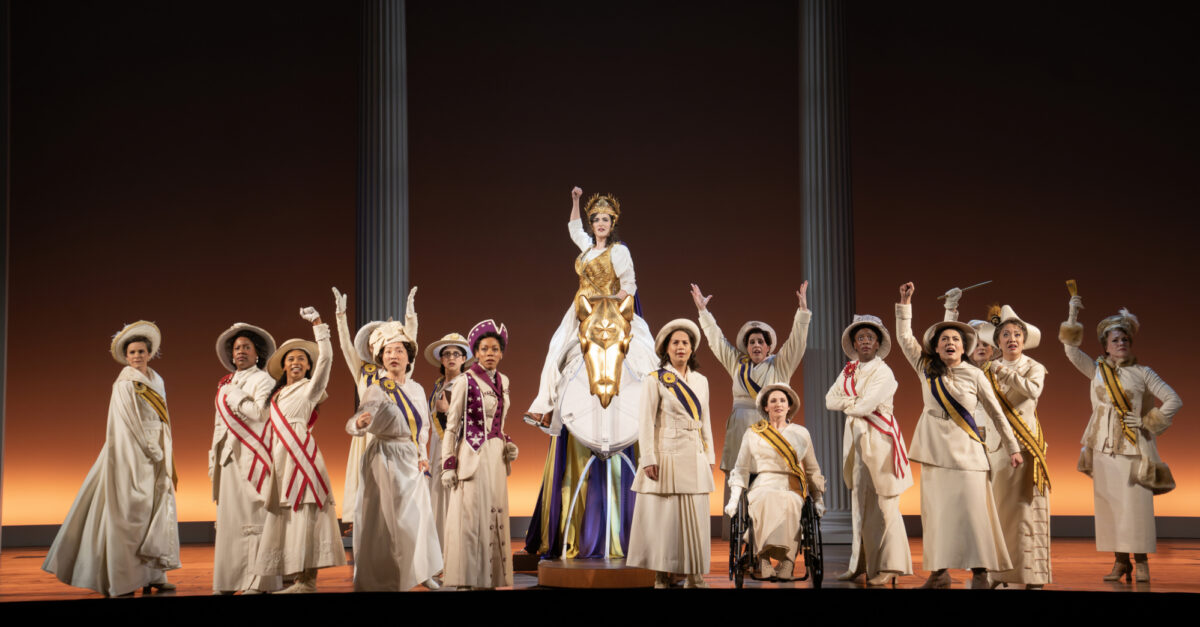
When a cult 1980s vampire film like The Lost Boys hits Broadway, expectations run high—and so do the risks. The stage adaptation of Joel Schumacher’s neon-drenched, saxophone-blaring horror-comedy has arrived with fog machines, leather jackets, and a synth-heavy score. But what do the critics think? The verdict is in, and it's as split as the film’s half-baked vampire lore.
From praise for its bold theatricality to criticism over tonal inconsistency, The Lost Boys on Broadway has sparked debate across major outlets. This isn’t just another nostalgia trip—it’s a high-stakes experiment in bringing irreverent genre cinema to the Great White Way. We’ve combed through reviews from top critics to unpack the consensus, highlight standout elements, and reveal where the production stumbles.
Critical Reception: A Divided Stage
At its core, The Lost Boys faces an uphill battle: translating the anarchic, sun-bleached cool of a 1987 teen vampire flick into a legitimate Broadway musical. Critics are sharply divided on whether it succeeds.
The New York Times called the production “a dazzling mess—equal parts spectacle and self-parody,” applauding the ambition but questioning its emotional depth. Similarly, The Hollywood Reporter noted that the show “captures the movie’s aesthetic with eerie precision, but struggles to find a coherent dramatic voice.”
Meanwhile, Variety offered a more favorable take: “It’s not high art, but it’s high fun. The Lost Boys doesn’t take itself seriously, and that might be its greatest strength.” This sentiment echoes among critics who value entertainment over narrative sophistication.
A recurring theme? The show works best when it leans into camp. Those expecting a dark, psychological vampire drama will be disappointed. But audiences seeking an energetic, visually bold homage to the original film tend to leave satisfied.
The Music: Synth-Pop Nostalgia Meets Theatrical Flair
One of the most debated aspects of the show is its score. Composed by a team of indie-electro artists and Broadway veterans, the music blends 80s-inspired synth-pop with traditional show tunes. Critics agree: the soundtrack is polarizing.
The Guardian praised the “pulse-pounding act one finale,” calling it “a legitimate earworm” that channels the rebellious spirit of the film. The reimagined version of Echo & the Bunnymen’s “The Killing Moon,” used as a recurring vampiric motif, received widespread acclaim for its haunting choral arrangement.
Yet some reviewers found the original songs forgettable. The Wall Street Journal wrote, “The score is loud and stylish, but few numbers land with lasting impact. It’s all atmosphere, little soul.”
Still, the integration of period hits—like “Cry Little Sister” performed as a duet between David and Michael—earned nods for emotional resonance. These moments work because they don’t try to reinvent the wheel; they celebrate what fans already love.
For viewers: if you’re drawn to musicals with innovative soundscapes rather than classic ballads, The Lost Boys may surprise you. But don’t expect another Hamilton-level lyrical breakthrough.
Performances That Bite—And Sometimes Miss
Casting for The Lost Boys leaned heavily on rising stars with indie cred and rock energy. The actor playing David—the charismatic vampire leader—has drawn particular attention. Critics describe his performance as “mesmerizing” (Time Out) and “too mannered” (Vulture), depending on the reviewer.
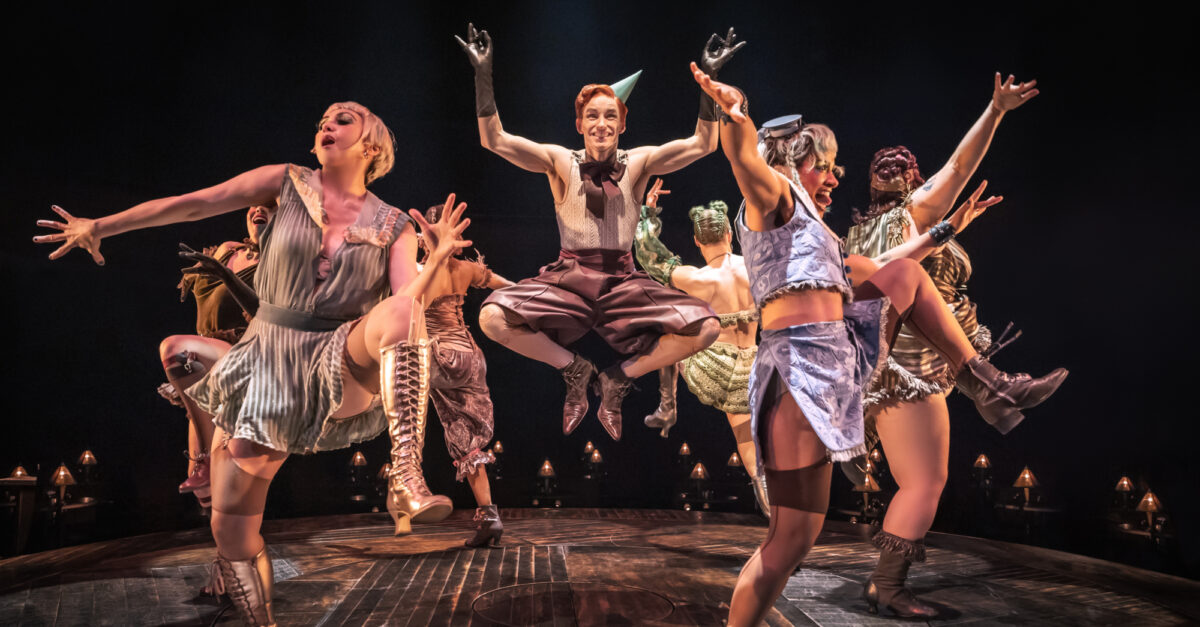
Sam, the younger brother, is portrayed with wide-eyed sincerity, earning praise for balancing humor and heart. His transformation scene—complete with puppetry and lighting effects—was highlighted by Deadline as “one of the most inventive sequences on Broadway this season.”
Michael, the older brother, faces the hardest arc: human to vampire, hero to antihero. His performance received mixed marks. While Entertainment Weekly called it “a brooding revelation,” others found the character underdeveloped, with The New Yorker noting, “He’s stuck between emotional beats, never quite landing the inner conflict.”
The Lost Boys themselves—Paul, Marko, and Dwayne—are played with punk swagger and synchronized choreography. Their ensemble numbers, particularly “Bike Gang Anthem,” are crowd-pleasers but criticized for shallow characterization.
Bottom line: performances are strong on style, but character depth remains a weakness. Fans of the film may miss the anarchic chemistry of the original cast.
Stagecraft and Design: Where the Show Shines
If The Lost Boys falters in narrative cohesion, it soars in visual and technical execution. The set design—a rotating, multi-level boardwalk that morphs into caves, a video store, and a vampire lair—is universally praised.
Playbill called it “a masterclass in immersive stagecraft,” while American Theatre noted, “Every scene shift feels like a magic trick.”
Lighting and sound design amplify the mood. Blood-red filters, strobe effects, and fog nozzles create a constant sense of unease. The use of shadow puppetry during transformation sequences adds a surreal, almost gothic layer.
Costumes are faithful recreations of the film’s look: leather, denim, studded belts. Critics agree the wardrobe “nails the aesthetic” (Broadway News), though some questioned the practicality of such heavy gear during high-energy dance numbers.
One standout: the use of projection mapping to simulate flight sequences. As the vampires soar over Santa Carla, the audience is pulled into the fantasy. It’s here that the show feels truly cinematic—something few stage adaptations achieve.
Fidelity to the Film: A Love Letter or a Copy-Paste?
Devotees of the original film will scrutinize how closely the musical follows the source material. Critics point out that the show includes nearly every major plot point—down to the comic book foreshadowing and the grandfather’s shotgun finale.
But this faithfulness cuts both ways. The Atlantic argued that “by sticking so close to the film, the musical misses chances to deepen the story.” The themes of brotherhood, alienation, and adolescent rebellion are touched on but never explored with nuance.
On the flip side, Rolling Stone praised the adaptation for “respecting its legacy” and called the inclusion of the Frog brothers “a fan-service win.” Their musical number, “Slayer in the Sand,” is a campy highlight, blending horror tropes with humor.
The decision to keep the film’s quirky tone—equal parts horror, comedy, and teen romance—is both a strength and a liability. As one critic put it: “It’s hard to know whether to laugh, scream, or sing along—and the show never helps you decide.”
For longtime fans, the nostalgia is undeniable. But without the film’s iconic cinematography and pacing, some moments fall flat on stage.
Audience vs. Critical Divide
A fascinating trend emerges when comparing professional reviews with audience reactions. While critics remain split, fan response has been largely positive.
Broadway forums, Reddit threads, and social media are filled with praise for the show’s energy, design, and music. Many describe it as “the most fun I’ve had at a musical in years.” Others appreciate that it doesn’t take itself too seriously.
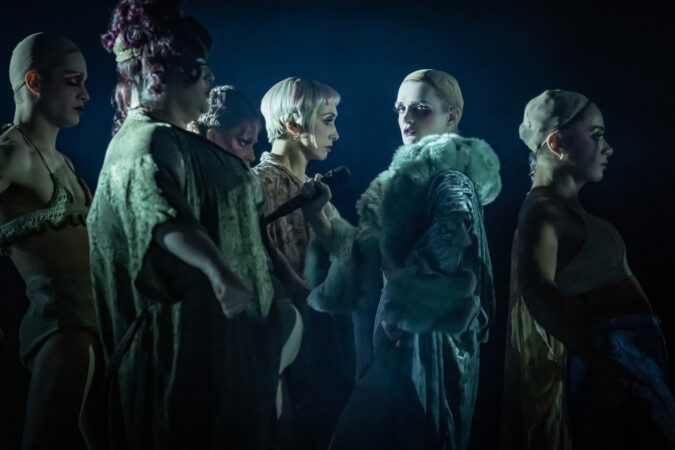
This disconnect suggests The Lost Boys may be a victim of critical expectations. Reviewers assess it as a serious work of theater; audiences see it as a celebration of a beloved cult classic.
There’s also a generational angle. Older critics who remember the film’s 1987 release are more likely to compare it unfavorably to the original. Younger audience members, less attached to the source, enjoy it as a standalone spectacle.
Box office numbers support this: despite mixed reviews, ticket sales remain strong, especially on weekends. The show has developed a cult following of its own—much like the film.
Should You See It? A Final Verdict
So, what do the critics think? The answer depends on what you value in theater.
If you prioritize narrative depth, character development, and lyrical sophistication, The Lost Boys will likely disappoint. The story remains thin, the themes undercooked, and the score inconsistent.
But if you’re drawn to bold visuals, high-energy performances, and genre-bending fun, this show delivers. It’s not subtle, but it’s rarely boring. The production values are top-tier, the design is inventive, and the homage to the film feels genuine.
It’s also worth noting: The Lost Boys isn’t trying to be Sweeney Todd. It’s aiming for the same space as Rocky Horror or Little Shop of Horrors—a cult musical that thrives on audience participation and camp appeal.
For those on the fence: go with a group, lean into the silliness, and don’t expect a masterpiece. You might just find yourself shouting “Liar!” along with the crowd.
Final Thoughts: A Flawed But Fascinating Experiment
The Lost Boys on Broadway won’t redefine musical theater. But it doesn’t have to. What it offers is rare: a bold, unapologetic attempt to bring a genre film to the stage with style, energy, and a pulse.
Critics may debate its merits, but one thing is clear—it’s generating conversation. In an age where Broadway often plays it safe with jukebox musicals and Disney adaptations, The Lost Boys dares to be different.
It stumbles, yes. But when the house lights dim, the synth kicks in, and the vampires rise from the boardwalk, you can’t help but be pulled in. That, perhaps, is the highest praise it can receive.
See it for the spectacle. Stay for the chaos. And decide for yourself whether it bites—or bleeds.
FAQ
What is the general critical consensus on The Lost Boys Broadway? Critics are divided—some praise its bold style and nostalgic energy, while others criticize its thin plot and inconsistent tone.
Does the musical stay true to the original movie? Yes, it follows the film’s plot closely and includes iconic scenes, quotes, and music, making it a strong homage for fans.
Is The Lost Boys suitable for children? Despite its teen themes, the show includes intense visuals, horror elements, and mature content—recommended for ages 13+.
Who composed the music for the stage adaptation? A collaborative team blending synth-pop artists and Broadway composers, with reimagined 80s tracks and original songs.
Are the performances well-received? The actor playing David earns strong reviews for charisma, though some leads are criticized for underdeveloped emotional arcs.
How is the set design rated by critics? Nearly universally praised for its innovation, immersive boardwalk set, and seamless scene transitions.
Has The Lost Boys been successful at the box office? Yes—despite mixed reviews, strong fan turnout and weekend sell-outs indicate a growing audience base.
FAQ
What should you look for in What Critics Say About The Lost Boys on Broadway? Focus on relevance, practical value, and how well the solution matches real user intent.
Is What Critics Say About The Lost Boys on Broadway suitable for beginners? That depends on the workflow, but a clear step-by-step approach usually makes it easier to start.
How do you compare options around What Critics Say About The Lost Boys on Broadway? Compare features, trust signals, limitations, pricing, and ease of implementation.
What mistakes should you avoid? Avoid generic choices, weak validation, and decisions based only on marketing claims.
What is the next best step? Shortlist the most relevant options, validate them quickly, and refine from real-world results.